

| 2017-08-18 |    |
Local Community Unites over Lynx Release Concerns
With a formal application to trial a release of lynx in Kielder Forest now submitted, members of the surrounding rural community have united in reiterating the detrimental impact this predator would have on the current ecological and social makeup of the area.
More than 100 stakeholders living close to the proposed release site and further afield met in Elsdon, Northumberland on Wednesday 16th August for a discussion evening facilitated by the National Sheep Association (NSA) and other representative farming bodies including the National Farmers Union (NFU) and the British Deer Society (BDS).
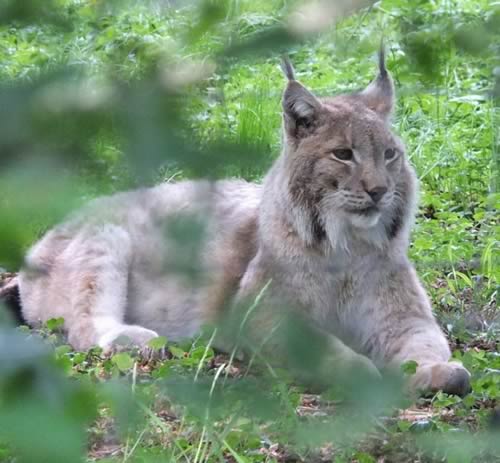
NSA feels the debate so far has heavily focused on potential positives of such a release, with little consideration for evidence which suggests similar projects elsewhere in Europe have experienced limited success. It feels releasing this predatory species puts at risk all the things that emanate from a successful sheep farmed area – the landscape and its associated ecology and wildlife, local working communities and a vibrant rural economy.
Phil
Stocker, NSA Chief Executive, led the evening’s discussion which demonstrated
a clear feeling that consequences of such a release would be far
wider-reaching than just a few sheep lost to preying lynx. He said:
The UK’s ecology is built on huge diversity which is dependent
on human management and farming in the majority of cases. This
hierarchy of species interact with each other and we already have
many examples where a lack of intervention and predator control
result in the collapse of iconic birds and mammals such as the
red squirrel and the curlew - two species that Northumberland is
renowned for. The UK is very different from countries where top
level predators such as big cats can survive, in terms of land
use, wildlife and our population and infrastructure. Lynx are known
to prey on ground nesting birds and small mammals and we are in
danger of risking investment which has gone into making sure they
have a future.”
NSA, in agreement with local stakeholders at the meeting, feel a lynx release has the potential to threaten the essential function that sheep have in maintaining the landscape in the UK countryside. Their complementary role covers land management, support of species diversity, food production and sustenance of rural communities who manage their existence so these benefits can be enjoyed by all.
Phil continued:
“Moves for more agro-forestry schemes and further
integration of trees and hedgerows would be undermined by releasing
lynx if individuals felt these had the potential to create habitat
for a species which poses a threat to their livelihoods.
“It is clear there is a genuine concern that a lynx release has the potential to make sheep farming in Kielder and the surrounding area non-viable. The discussion highlighted the crucial role farming and forestry is contributing to an already thriving tourism industry, begging the question of what is at stake here. Once a proposed trial release has taken place, it is difficult to see how it could be reversed.”