


| 2015-11-04 |    |
Anthrax Disease Confirmed
Anthrax disease has been confirmed in two cows that died at a farm in Wiltshire in October 2015.
Movement restrictions were imposed at the farm and carcases of the animals were incinerated. It would not be unusual for other cows in the herd to be affected. The previous Anthrax outbreak in livestock in Great Britain was in 2006.
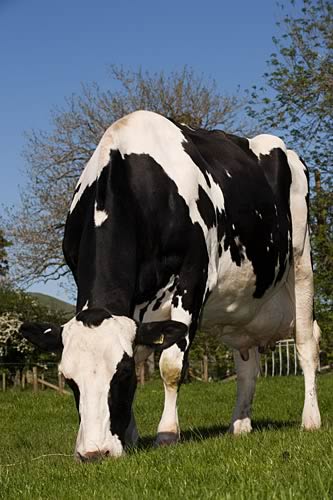
All the appropriate precautions are being taken and the rest of the herd continue to be monitored closely. The risk of infection in close human contact with these animals is very low and we continue to work with Public Health England to monitor potential human contacts.
How to spot anthrax
In cattle and sheep
Cattle and sheep can die quickly from anthrax, but their carcasses
may show no obvious signs of the disease.
The length of the illness varies and some animals may have signs of illness for several days before death.
In such cases the main clinical signs are:
- high temperature, shivering or twitching
- harsh dry coat
- blood in dung or in nostrils
- decrease or complete loss of milk
- fits
- bright staring eyes
- colicky pains
- dejection and loss of appetite
Anthrax can cause death in pigs and horses, though less quickly than in cattle and sheep.
Pigs and horses
- hot painful swellings in the throat area
- sudden colic pain in horses
- loss of appetite in pigs
How anthrax is spread
Anthrax is spread when its spores are inhaled, ingested, or come
into contact with skin lesions.
The spores can survive for decades or even centuries.
They are found on infected animal carcasses, wool, hair and hides.
Preventing and controlling anthrax
Talk to your vet before moving or disposing of carcasses after a
sudden or unexplained death.

