

2014-10-24 |
   |
Solar is now in the Shade
The effect of this week’s decision to abandon farm subsidy for land which is used for both solar power and grazing could have the opposite effect to that intended, according to rural advisor Victoria Lancaster of H&H Land and Property.
The announcement has been made in order to reduce the visual impact to the countryside of solar farms, but the outcome is likely to make farming less profitable where land is often only suitable for low yield grazing.
The Environment
Secretary, Elizabeth Truss,
has announced that Farmers will lose their right to claim subsidies
for fields used for solar generation. She wants to ensure that
agricultural land is dedicated to growing crops and food. She is
also responding to voices raised in rural communities who believe
their countryside will be blighted by solar farms.
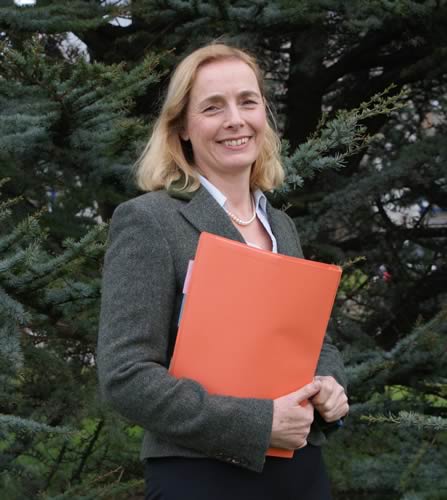
Victoria Lancaster
She argues that this move will help boost our food and farming industry that is currently worth £97 billion to the economy. No farm subsidy will be paid on land with Solar Panels after January 2015.
Victoria Lancaster believes this move is short sighted, she says that, “There are significant areas where lower grade agricultural land is only suitable for limited permanent grazing, and the livestock sector, in general is struggling. The returns per acres can be boosted by diversifying into renewable energy and having the same land grazed - so they are effectively in dual use and should be recognised as such.”
“Removing the farmers ability to claim subsidy may well cause a
reduction in the contribution to the Agri-economy overall. Adding
solar maximises the use of the land. It can still be farmed and offers
a secure income stream when the economy is less than sunny,” she
adds.
“It is a shame that more thought has not been given to this. It seems
like a knee jerk reaction to those who think only about the look
of the countryside rather than its viability.”
According to Victoria, she has worked with many farmers and has often seen that the income per acre from solar panels is greater than from grazing. This means, that in spite of the changes to the Single Farm Payment scheme she believes many farmers will still be looking at solar schemes.
She advises them:
“Do not drop the
idea of solar panels, as it does offer a secure income stream whilst
enhancing the viability of farming overall. Visual impact is of
utmost importance but that is a matter for careful design, siting
and planning rather than this blanket approach.”
Working with farmers
as part of the farm business management service that H&H
Land and Property offer, she thinks that having solar panels
combined with grazing is a win-win situation for everyone. Especially
when the government’s own targets for Green energy are very unlikely
to be met.
She concludes;
“It shows a lack of understanding of the farming
industry by Government to come out and make this statement. It’s
another barrier to stability in the farming sector’.
Whatever the outcome of the subsidy threat, it may well be that the markets may set the amount of development of solar energy the country sees in the long run.